
Heat-pump Condenser Dryers

£649.99
9KG Heat-pump condenser dryer
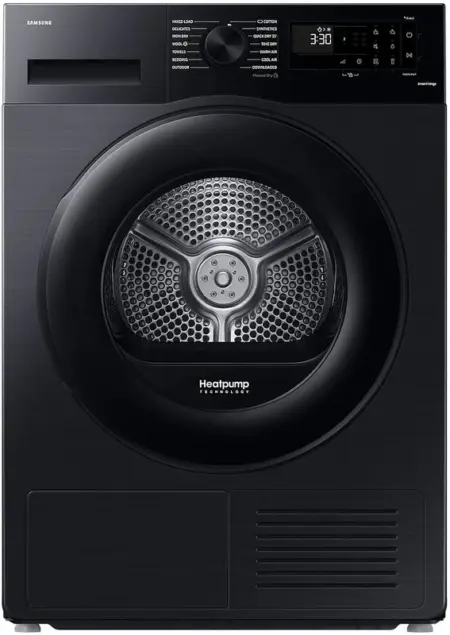
DV90CGC0A0ABEU

5 Year Warranty5yr warrantyEnergy A++A++
Awaiting stock

£729.99
9KG Heat-pump condenser tumble dryer
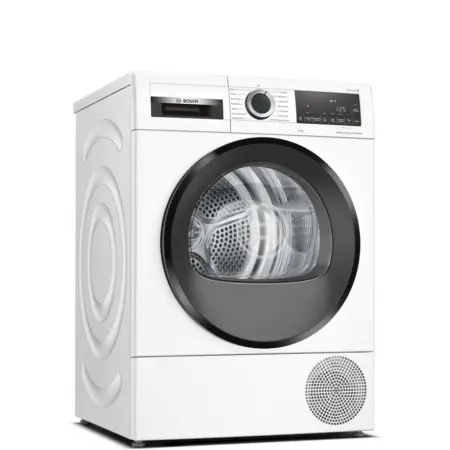
WQG24509GB
★★★★★★★★★★(3)
5 Year Warranty5yr warrantyEnergy A++A++★★★★★★★★★★(3)
Awaiting stock
£749.99
9KG Heat-pump condenser tumble dryer
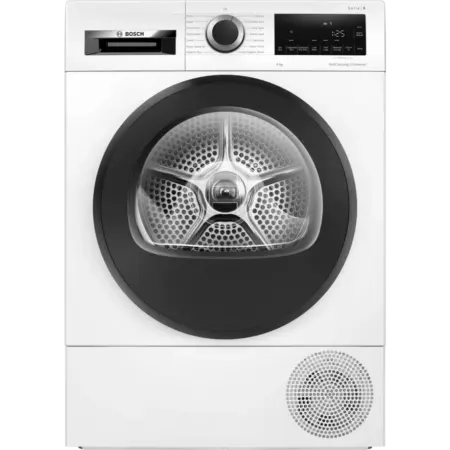
WQG24502GB
5 Year Warranty5yr warrantyEnergy A+++A+++
Awaiting stock
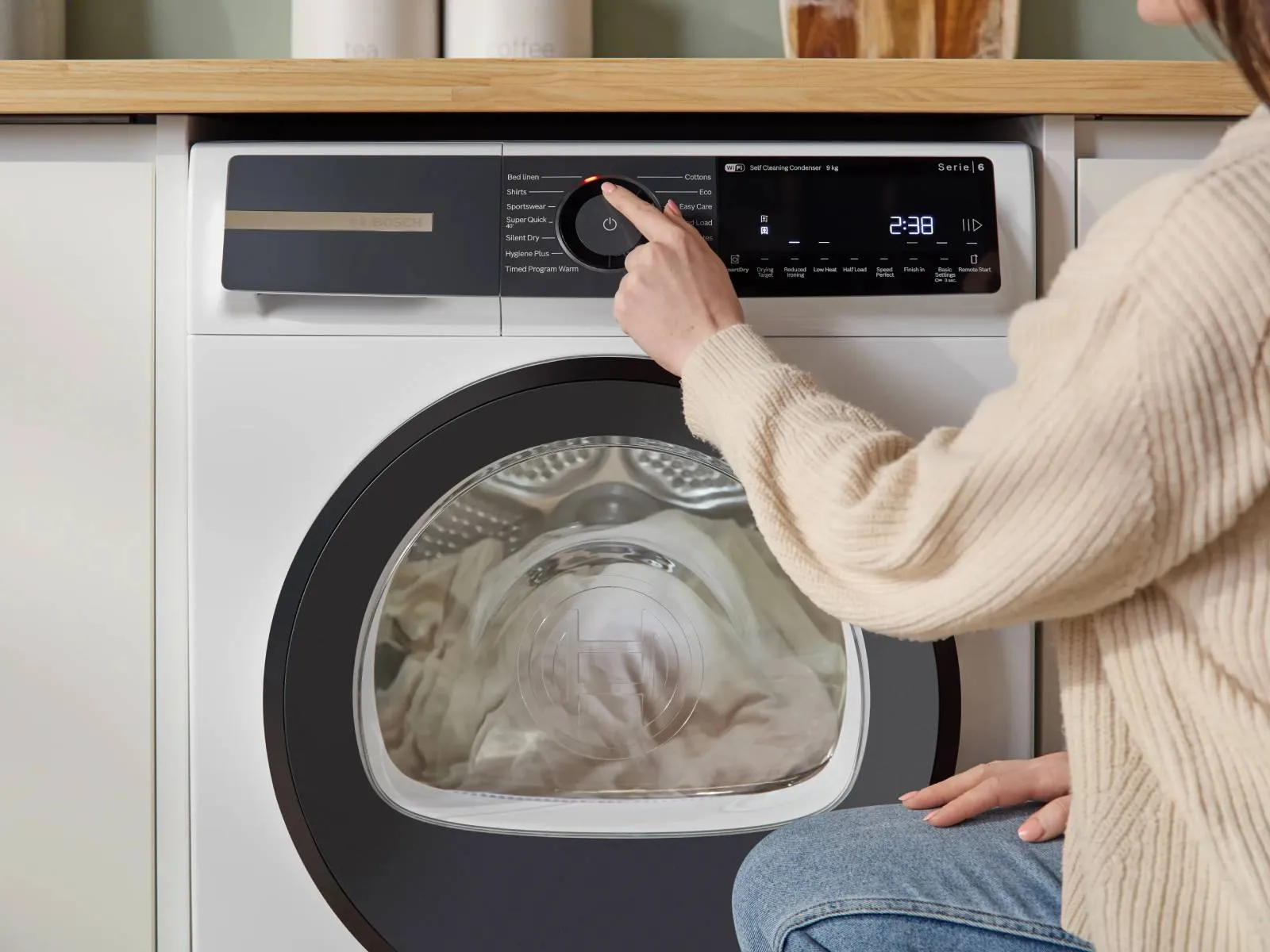
Buying advice
Choosing Heat-pump Condenser Dryers
A heat-pump condenser dryer reuses warm air within the drying system, so it typically uses less electricity than a conventional condenser or vented dryer. It also works at lower temperatures, which can be gentler on many fabrics, although cycles may take longer. The appliance collects water in a container or, on compatible models, sends it to a drain.
Compare drum capacity with your usual washing loads and check the programme list for cottons, synthetics, delicates, bedding or timed drying as needed. Sensor programmes can reduce unnecessary running once the selected dryness level is reached.
Look at the energy label, stated noise and maintenance instructions, including filters and heat-exchanger care. Measure the space and ensure the room temperature and ventilation meet the manufacturer's guidance, especially in a garage or utility area.
Energy performance
Compare the energy label and programme data, as heat-pump efficiency can be valuable for regular drying.
Longer programmes
Lower-temperature drying can take longer, so check typical cycle times if turnaround speed matters at home.
Room conditions
Check the permitted ambient temperature and airflow before using the dryer in a cold garage or enclosed space.
Key considerations
Energy performance
Compare the energy label and programme data, as heat-pump efficiency can be valuable for regular drying.
Longer programmes
Lower-temperature drying can take longer, so check typical cycle times if turnaround speed matters at home.
Room conditions
Check the permitted ambient temperature and airflow before using the dryer in a cold garage or enclosed space.
Key questions
Do heat-pump tumble dryers use less energy?
They typically use less electricity than conventional electric condenser or vented dryers because they reuse heat. Compare the current energy label for exact model information.
Why can heat-pump drying take longer?
The system dries at lower temperatures and recirculates warm air. This can extend programme time while reducing energy use and exposing clothes to less heat.
Does a heat-pump dryer need plumbing?
Not always. Water can normally collect in a container, while some models offer a drain hose option. Check what is supplied and where the drain would run.
Can I install one in a garage?
Only if the model is approved for the expected ambient temperatures and the space meets its ventilation requirements. Cold garages are not suitable for every appliance.
What maintenance does a heat-pump dryer need?
Clean the lint filters as directed, empty the water container if not plumbed in and follow the model's instructions for the condenser or heat-exchanger area.