
Tumble Dryers










Buying guide for Tumble Dryers
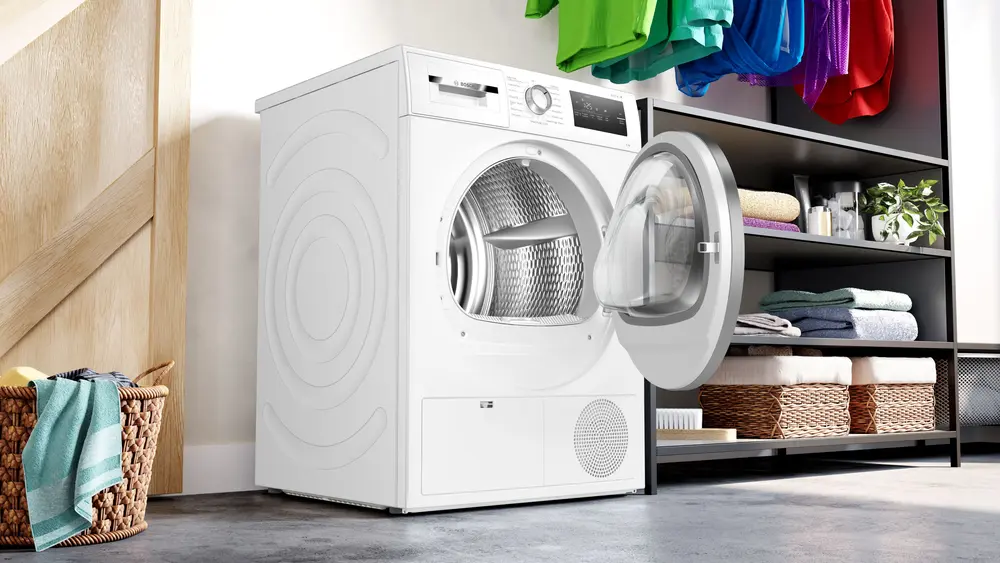
A tumble dryer makes laundry easier when the weather is poor, indoor drying space is limited, or you need towels, uniforms and bedding turned around quickly. The right type depends on your home.
Heat pump dryers are usually the most energy efficient choice and are popular for regular use. Condenser dryers collect water in a container or drain kit and are flexible to position. Vented dryers need a hose to the outside, so they suit homes with a suitable wall vent or nearby window.
Capacity should match your washing machine where possible, especially if you dry full loads. Before choosing, check where the dryer will stand, whether it needs ventilation or drainage, how easy the filters are to clean, and whether the noise level suits the room. Efficient sensors and care programmes can also help protect clothes from over-drying.
Things to consider
Dryer type
Heat pump, condenser and vented dryers suit different homes, so start with where the appliance will be installed.
Capacity
Match the dryer capacity to typical wash loads so clothes have room to tumble and dry evenly.
Energy use
If you dry often, a heat pump model can cost less to run even if the upfront price is higher.
Care and filters
Easy-access filters, sensor drying and gentle programmes help with day-to-day use and fabric care.
Key questions
Which type of tumble dryer is cheapest to run?
Heat pump tumble dryers are usually the most energy efficient option. They often cost more upfront, but can be a better long-term choice if you dry clothes regularly.
Do condenser dryers need plumbing?
Not always. Many collect water in a removable tank, while some can be connected to a drain kit. Check the model details and where you plan to place it.
Can I put a vented dryer anywhere?
A vented dryer needs a way to send damp air outside, usually through a hose. It is best near an outside wall, vent point or suitable window.
What capacity tumble dryer do I need?
Try to match the dryer to your washing machine load size. Around 8kg suits many homes, while larger families may want 9kg or more for towels and bedding.
What is sensor drying?
Sensor drying detects moisture and stops when clothes are dry enough. It can help protect fabrics from over-drying and avoid wasting energy on unnecessary drying time.
Start browsing
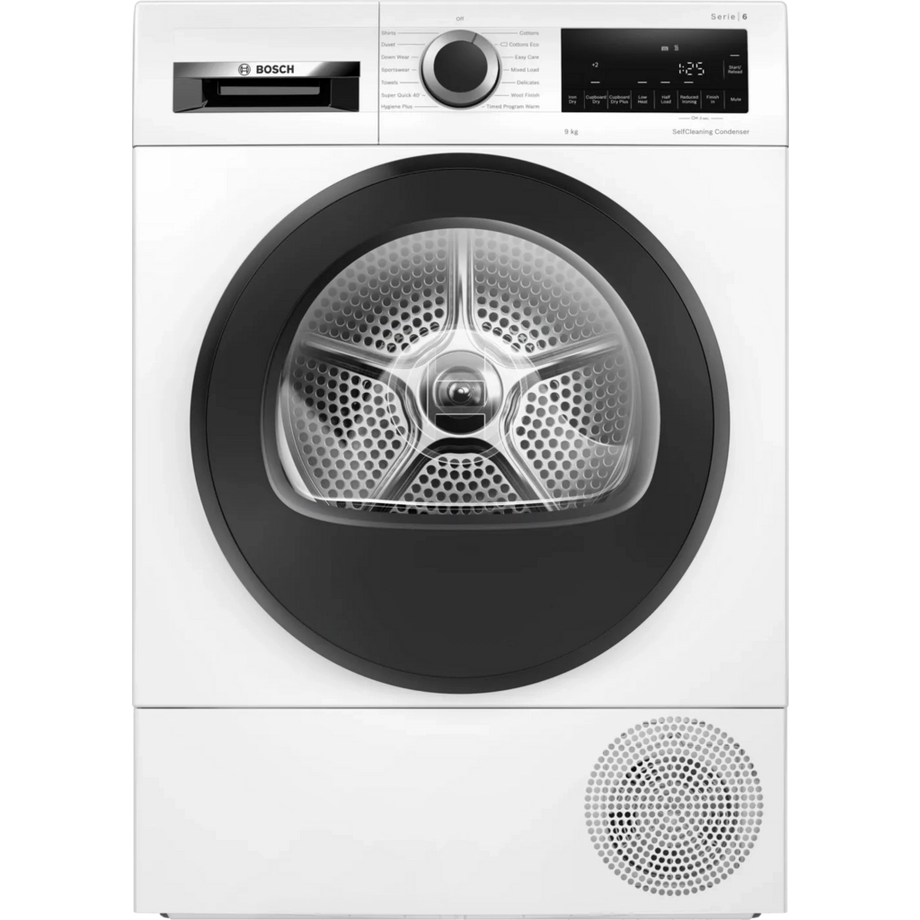
Heat pump dryers
Usually the most efficient option, ideal for regular drying and lower running costs over time.
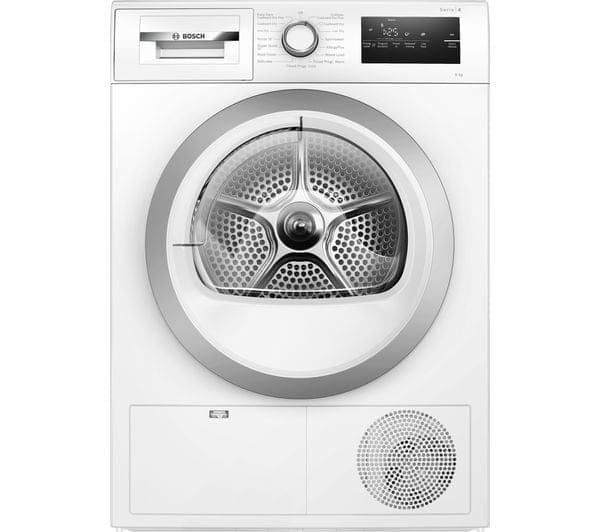
Condenser dryers
Flexible to place because they collect water in a container or can use a drain kit.
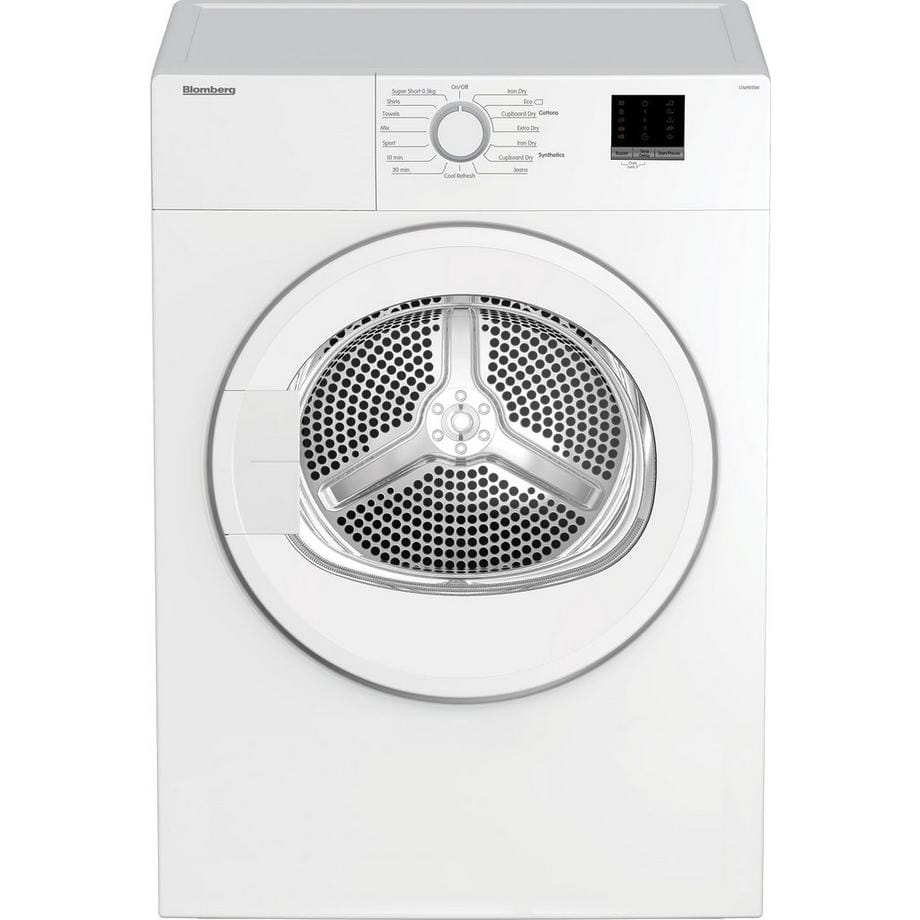
Vented dryers
Simple and often affordable, but they need a route to vent damp air outside.
Price match
Free local delivery*
Installation
Recycling
After sales care
Pay monthly APR 19%